The Dark Side of Dietary Supplements and Alternative Medicines
Introduction
Dietary supplements and alternative medicines are increasingly popular among people who want to improve their health and well-being. While some of these products may be helpful, others can be dangerous and even deadly. Unfortunately, online marketers often prey on consumers by exploiting loopholes in FDA regulations, exposing people to potentially harmful substances like Amanita muscaria mushrooms.
The Dietary Supplement Health and Education Act of 1994
The Dietary Supplement Health and Education Act of 1994 is a US federal law that allows supplement manufacturers to make health claims without FDA approval. The law requires supplement labels to carry a disclaimer stating that they have not been evaluated by the FDA and are not intended to diagnose, treat, cure, or prevent any disease. This loophole has allowed unscrupulous marketers to sell supplements that make unsubstantiated health claims.
Exploiting the Naturalistic Fallacy
Online marketers often leverage the Naturalistic Fallacy, which is the idea that natural products are always better and safer than synthetic ones. This fallacy has led some people to believe that Amanita muscaria mushrooms, a natural product, can treat depression. However, this is a dangerous misconception, as these mushrooms contain toxic compounds that can be lethal.
Amanita muscaria Mushrooms
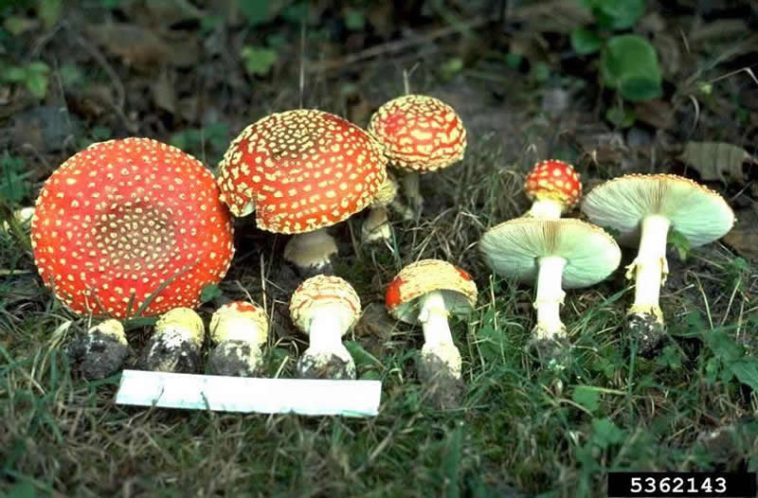
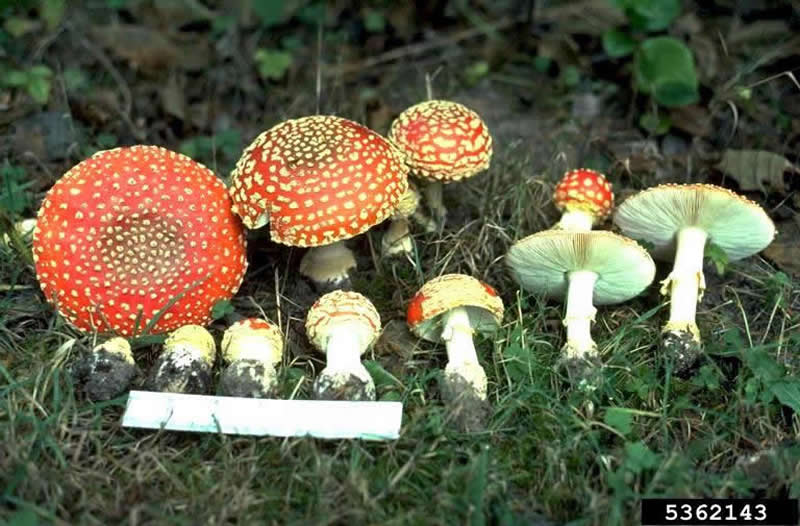
Amanita muscaria mushrooms contain two toxic compounds, muscimol and ibotenic acid, that can suppress the central nervous system and cause hallucinations. These compounds are more toxic than fentanyl, a potent synthetic opioid, yet they do not require a prescription if they are ‘found in nature.’
Marketing Schemes
Some online marketers sell Amanita muscaria mushrooms in candy form, which can be consumed by children. These marketers exploit the Naturalistic Fallacy by claiming that these mushrooms are beneficial for health, despite the lack of evidence supporting these claims.
Regulations and Clinical Trials
The lack of FDA oversight of dietary supplements makes it difficult to prevent dangerous substances like Amanita muscaria mushrooms from being sold to the public. While some people believe that psilocybin mushrooms can treat depression, they are a Schedule 1 drug under the 1970 Controlled Substances Act and cannot be legally obtained outside of clinical trials. Companies that want to develop psilocybin as a treatment for depression may do so within the framework of FDA regulations to ensure that the drug is safe and effective.
The Role of Consumers
Consumers must be vigilant when it comes to dietary supplements and alternative medicines. It is essential to research products thoroughly and consult with a healthcare professional before taking any supplement or medicine. By being informed and cautious, consumers can protect themselves from the dangers of unregulated supplements.
Conclusion
The lack of regulation of dietary supplements and alternative medicines poses a significant risk to public health. Unscrupulous marketers exploit loopholes in FDA regulations, exposing consumers to dangerous and deadly products like Amanita muscaria mushrooms. It is up to consumers to do their due diligence and protect themselves from potential harm.
Originally Post From https://www.science20.com/hank_campbell/amanita_muscaria_mushrooms_are_an_alternative_medicine_fad_more_toxic_than_fentanyl-257087
Read more about this topic at
Health 2.0 Conference Unmasks Scam Offenses In Dietary …
Scammers Promoting ‘Miracle’ Gummies Exploited …