
Overactive Bladder (OAB) Syndrome: Symptoms, Treatment, and Management
Symptoms
Overactive Bladder (OAB) Syndrome causes frequent and sudden urges to urinate, and can also lead to urinary incontinence. These urges can significantly affect a person’s quality of life, particularly when they interfere with daily activities where dashing to a restroom may not be convenient. Some people may also experience nocturia, which is the need to urinate more than once during the night.
Treatment
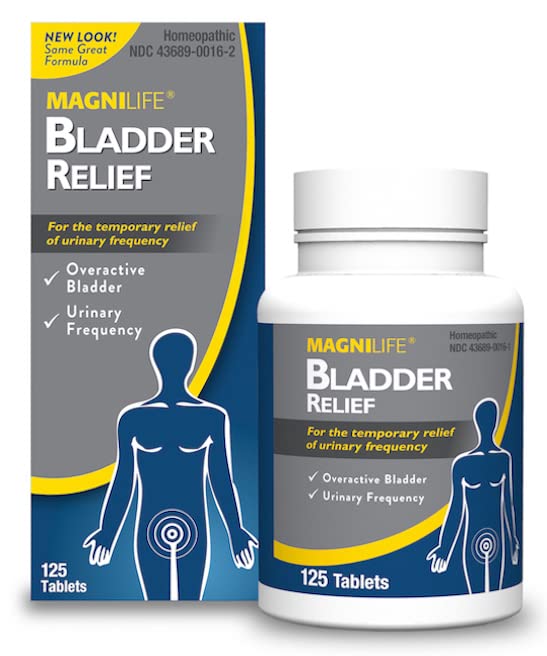
While prescription medications may be effective in treating OAB, non-prescription options and alternative therapies are also available. These include lifestyle changes, OTC medications, bladder training, and pelvic floor exercises.
Lifestyle changes
Maintaining a moderate body mass index, avoiding constipation, and reducing bladder irritants such as smoking, caffeine, alcohol, and spicy foods may help reduce OAB symptoms. It is also important to keep fluid intake to a moderate level, such as six to eight glasses of water daily, and to avoid drinking fluids 2 hours before bedtime.
OTC medications
The oxybutynin patch is currently the only FDA-approved OTC medication to treat OAB. The medication is part of the antimuscarinic class of medications and helps relieve OAB by relaxing bladder muscle spasms that cause urinary urgency. The medication comes as a 3.9 milligrams per day patch that the person applies to their skin twice weekly, every 3 to 4 days. It is essential to protect the patch location from direct sun exposure and to place it in a spot where clothes will not rub it off. Some common side effects may include skin irritation to the patch, dry mouth, and constipation.
Bladder training
Bladder training involves urinating at scheduled intervals, starting with 30 minutes, and gradually extending the duration between restroom visits to 3 to 4 hours. This training may help regain control over urinary urges.
Pelvic floor exercises
Pelvic floor muscle training (PFMT) can have a significantly positive effect on reducing OAB symptoms. The main types of PFMT include kegel exercises and biofeedback therapy. Individualized therapy under the guidance of a physical therapist is the most beneficial, as no one therapy works for all. A physical therapist can assess which muscles in the pelvic area need strengthening or relaxing and develop a treatment plan.
Management
If OTC medication, lifestyle changes, and other therapies are insufficient in managing OAB symptoms, or if symptoms are worsening over time, consulting with a healthcare professional may be beneficial. This is especially true if their symptoms affect their quality of life. An individual may want to consider prescription medications when other treatments or therapies do not manage symptoms adequately. Their healthcare professional may prescribe medications that target bladder muscle function and nerve signaling, such as anticholinergics (oxybutynin, tolterodine, solifenacin) or beta-3 adrenergic agonists (mirabegron). Regular follow-up appointments with the healthcare professional are essential for monitoring the effectiveness of the treatment, adjusting medications as necessary, and addressing any side effects or other concerns.
Conclusion
In conclusion, Overactive Bladder Syndrome can impact an individual’s quality of life by causing frequent and sudden urges to urinate, and even urinary incontinence. Fortunately, there are several treatment options, including lifestyle changes, OTC medications, bladder training, pelvic floor exercises, and prescription medications. It is essential to work with a healthcare professional to develop a personalized treatment plan that addresses an individual’s unique symptoms and concerns.
Medical News Today has strict sourcing guidelines and draws only from peer-reviewed studies, academic research institutions, and medical journals and associations. We link primary sources — including studies, scientific references, and statistics — within each article and also list them in the resources section at the bottom of our articles. You can learn more about how we ensure our content is accurate and current by reading our editorial policy.
© 2024 Healthline Media UK Ltd, Brighton, UK. All rights reserved. MNT is the registered trade mark of Healthline Media. Any medical information published on this website is not intended as a substitute for informed medical advice, and you should not take any action before consulting with a healthcare professional. See additional information.
Originally Post From https://www.medicalnewstoday.com/articles/over-the-counter-medicine-for-overactive-bladder?utm_source=ReadNext
Read more about this topic at
Overactive bladder – Diagnosis and treatment
Overactive Bladder (OAB) – Urology Care Foundation